February 26, 2026
Designing for Change: How Demountable Architectural Walls Future-Proof the Workplace

Explore why demountable architectural walls are transforming work environments with agile design, easy reconfiguration, reduced waste, and customizable performance solutions that evolve with business needs.
The modern workplace is no longer static.
Teams expand. Departments reorganize. Collaboration zones become focus rooms. Real estate footprints shift. What works today may not work two years from now.
The question isn’t whether offices will change. It’s when and whether the built environment can keep up.
Architectural demountable walls offer a smarter way forward. Instead of locking space into permanent construction, demountable wall systems allow organizations to adapt without starting over.
For architects, that means designing interiors that perform today without limiting tomorrow’s layout. For designers, it means protecting aesthetic intent while giving clients room to evolve.
Flexibility is no longer a feature. It’s infrastructure.
The Problem with Permanent Walls
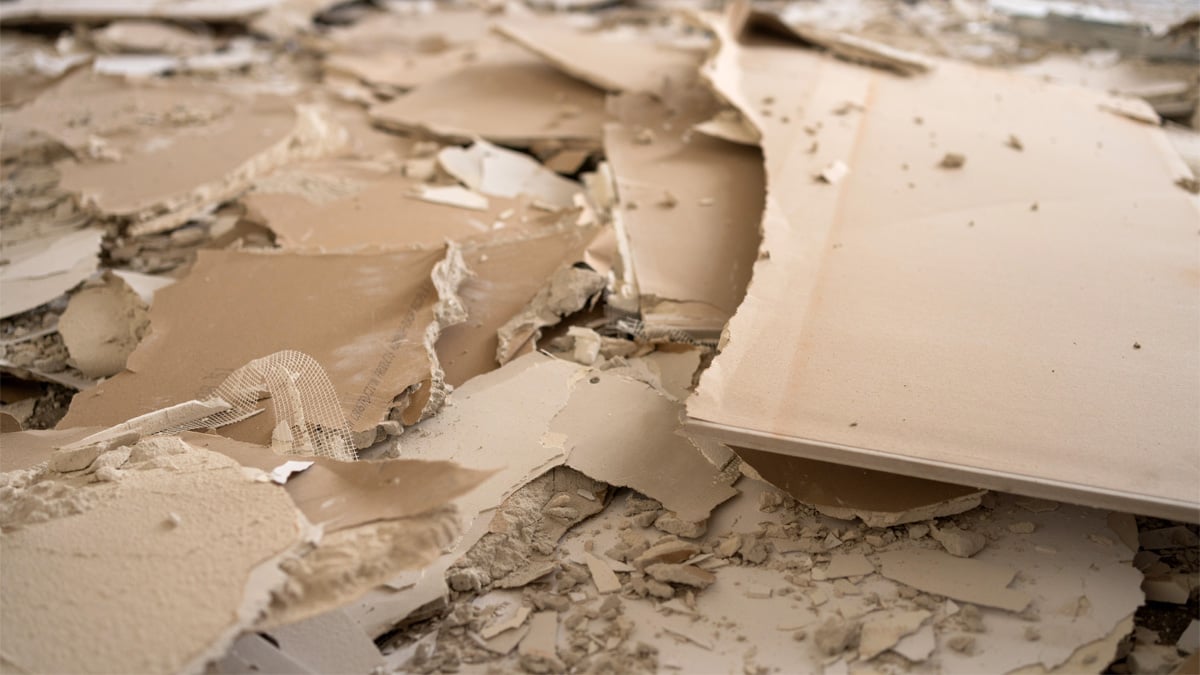
Traditional drywall was never designed for long-term adaptability. It’s slow to install, disruptive to modify, and wasteful to remove. Every layout change requires demolition, patching, repainting, and downtime.
For organizations navigating growth, shifts in hybrid work schedules, or lease transitions, that model simply doesn’t scale.
Demountable office walls change that conversation. Walls become adaptable systems rather than fixed barriers. Spaces can be reconfigured cleanly and efficiently as needs evolve—supporting long-term performance instead of one-time layouts.
Compared to stick-built construction, demountable wall systems reduce renovation waste and allow updates without full-scale demolition. That’s not just convenient; it’s strategic resilience.
Transparency Without Compromising Performance
Flexibility doesn’t mean sacrificing design.
Many workplaces want more openness—more daylight, stronger sightlines, greater connection—while still maintaining acoustic control and defined boundaries.
Modular glass walls play a critical role here.
Lightline®, our frameless glass wall system, maximizes daylight with a refined, minimal profile. Its high glass-to-frame ratio maintains visual openness while clearly defining conference rooms, private offices, and collaborative areas.
Sliding or hinged doors, half-inch glass, and heights up to 120 inches allow designers to tailor each installation to the environment. The result is transparency that feels intentional and never temporary.

An Alternative to Drywall That’s Built for Change
Not every space calls for glass.
Some environments demand higher acoustic performance, visual privacy, or integrated functionality. Instead of defaulting to drywall, our Evoke® architectural walls provide a demountable alternative designed for adaptability.
Traditional drywall assemblies typically achieve STC ratings in the 36–42 range. With the STC rating of 50, Evoke supports confidential conversations and focused work while remaining reconfigurable over time. Clean reveal lines and customizable surfaces — including paint, inkjet graphics, markerboard, and magnetic panels — allow walls to contribute both aesthetically and functionally.
When layouts shift, Evoke shifts with them.
The result is an interior office wall system that performs like permanent construction but behaves like a flexible asset.

One System, Multiple Expressions
Workplaces rarely rely on a single material language. Some spaces demand transparency. Others require solidity, warmth, or texture.
Our Genius® architectural walls bridge that gap.
Specified in glass, metal, wood veneer, and a range of finishes, Genius supports any aesthetic from minimalist corporate interiors to richly branded environments. Integrated power and compatibility with KI furniture make it especially effective in technology-driven spaces.
Because Lightline, Evoke, and Genius are designed to work together, designers can vary performance and materiality across a floorplan, while maintaining a cohesive visual identity.

Built for What’s Next
No one can predict exactly how workplace design will evolve. But flexibility, efficiency, and long-term performance will always matter.
By choosing demountable wall systems, organizations invest in environments that can respond to growth, reorganization, tenant transitions, and new ways of working — without starting from scratch.
At KI Wall, we design office wall systems that make change easier:
- Faster installation
- Cleaner reconfiguration
- Reduced waste
- Long-term adaptability
Because the most successful workplaces aren’t just designed for today.
They’re designed to evolve.
Contributing Authors
